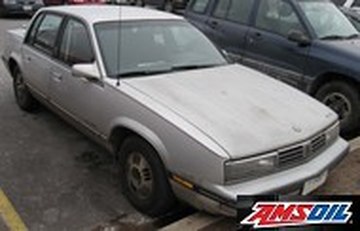
Maintaining Lubrication Standards for the 1982 Oldsmobile CALAIS 4.3L Diesel
Proper engine care for a diesel-powered vehicle requires an understanding of how specialized lubricants function under specific operating conditions. For owners of the 1982 Oldsmobile CALAIS equipped with the 4.3L [V] Diesel engine, maintaining consistent lubrication standards is a fundamental aspect of long-term engine health and operational efficiency.Monitoring Fluid Integrity and Condition
Regularly observing the state of your engine oil can provide valuable information regarding the internal environment of the engine. Because diesel combustion processes differ from gasoline engines, the appearance and consistency of the lubricant are important indicators to monitor during routine checks. When performing a visual inspection, look for any significant changes in the color or texture of the oil. While some level of darkening is expected in diesel applications, extreme discoloration or an unusual consistency may warrant further investigation. Additionally, checking for signs of fluid seepage around various engine seals and gaskets can help identify potential issues before they escalate. If you notice any evidence of leakage on the ground or around the engine block, it should be addressed to ensure the system remains properly filled. It is also useful to monitor for any unusual mechanical noises that occur during startup or while the engine is idling. While many sounds are normal for a diesel engine, sudden changes in the acoustic profile can sometimes be associated with lubrication changes or other mechanical shifts. If you observe any unexpected behavior, such as changes in how the engine responds to load, these symptoms should be investigated by a professional to determine the underlying cause.Prioritizing Maintenance Through Condition-Based Inspection
As vehicles age, maintenance strategies often shift from strictly following a calendar to focusing on the actual condition of the components. For an older vehicle like the 1982 Oldsmobile CALAIS, establishing a baseline of current mechanical health is more effective than making assumptions based solely on the year of manufacture. If you do not have a complete service history for the vehicle, your first priority should be to establish what has been done and what remains unknown. This involves:- Reviewing any available documentation regarding previous oil changes, filter replacements, or major repairs.
- Conducting thorough inspections of all accessible rubber components, such as hoses, if present, to check for signs of cracking or hardening.
- Examining electrical connections and wiring for any evidence of fraying or corrosion that could affect engine management systems.
- Checking the condition of any drive belts, if equipped, for glazing, cracks, or tension issues.
The Role of Lubrication in Diesel Engine Longevity
Engine oil performs several vital roles that extend far beyond simple lubrication. In any internal combustion engine, the lubricant acts as a primary medium for managing heat and reducing friction between moving parts. For a diesel application, the ability of the oil to maintain its chemical stability under thermal stress is particularly important. Effective lubrication helps to mitigate the wear that occurs during high-friction events, such as during cold starts when the oil has settled in the lower portions of the engine. Furthermore, the lubricant plays a role in managing the various byproducts generated during the combustion process. High-quality lubricants are designed with additives that help control the buildup of deposits and sludge, which can otherwise interfere with the smooth operation of engine components over time. Maintaining the correct oil level and ensuring the lubricant is fresh helps to preserve these protective qualities. Consistent maintenance ensures that the oil continues to provide the necessary thermal stability and oxidation resistance required for reliable operation.Managing Aging Components and Systems
When maintaining a vehicle from the early 1980s, it is helpful to adopt a proactive stance toward aging materials. Rather than assuming every component is nearing failure, focus on inspecting those that are most susceptible to environmental and thermal degradation. For example, if your vehicle is equipped with an air filtration system, ensuring the filter is clean is essential for preventing contaminants from entering the combustion chamber. Similarly, inspecting the cooling system—including hoses and any visible connections—can help prevent overheating issues that could lead to more significant engine complications. If you notice any evidence of previous neglect, such as heavy sludge buildup or signs of improper fluid use, it may be beneficial to perform a series of thorough inspections to ensure all systems are operating within their intended parameters. Keeping detailed records of these observations and any subsequent repairs will assist in making informed decisions about the vehicle's future service needs.Effective Record Keeping for Long-Term Ownership
A well-documented maintenance history is one of the most valuable tools an owner can possess. For the 1982 Oldsmobile CALAIS, keeping a log of every oil change, filter replacement, and mechanical inspection provides a clear picture of the vehicle's health over time. Detailed records allow you to identify patterns, such as how quickly certain fluids are consumed or how often specific components require attention. This data is invaluable when trying to establish a maintenance baseline or when deciding whether a particular symptom is a new development or a long-standing characteristic of the engine. Furthermore, having a documented history of consistent care can be beneficial for the vehicle's value and provides peace of mind that the engine has been treated with the appropriate level of attention.Practical Guidance for Buying Engine Oil for your 1982 Oldsmobile CALAIS 4.3L
When it is time to replenish your lubricant, the most important step is to ensure the product matches the specific requirements of your engine. Because different engines require different chemical formulations and viscosity levels, you should never rely on general automotive knowledge or assumptions based on the vehicle's age. To select the correct product, match the engine oil to the application-specific viscosity information already displayed on this webpage. Before finalizing your purchase, always check the product labeling to verify that the oil meets the appropriate quality standards and certifications for your specific diesel application. Depending on your current maintenance goals, you may encounter various options:- Conventional oils are a standard choice for many applications.
- Synthetic blends and full synthetic oils offer different levels of thermal stability and resistance to oxidation.
- Some high-mileage oil formulations contain additives intended for use in aging engines, including seal-conditioning additives that may assist with older gaskets and seals.